

What if the most critical rule in a game isn’t on the board? In finance and gaming, setting boundaries is key. It’s not just a number; it’s a living system that balances risk and reward.
Imagine a traffic system for risk. It doesn’t block everything; it routes it wisely. A customer limit is not just a “no” sign. It’s about how much and how fast.
Player limits and stake factoring are now key strategies. It’s not just about caps; it’s about building a model. This model forecasts and adjusts based on new data, managing risk and reward.
So, the real question is, “What’s our philosophy on managing limits?” It’s not about stopping everything. It’s about making sure it’s sustainable, compliant, and profitable for everyone. It’s a strategic asset, not just a task.
Stake Factoring by Market Quality
Forget one-size-fits-all limits; in the sophisticated game of risk management, market quality dictates the stakes. This isn’t about hunches or gut feelings. It’s about building a dynamic, responsive system for setting player limits that reflects the nuanced reality of your customer base. We’re moving beyond a blunt, one-size-fits-all approach to a model as dynamic as the markets themselves.
The Art of the Stake: Not All Markets Are Created Equal
Think of it like internet traffic. A global service like Cloudflare doesn’t send all user requests to the same server. It uses a load balancer, constantly checking the health and geography of its endpoints to route traffic efficiently. A server in Tokyo might be healthy and close to a user in Osaka, so it gets the traffic. A server in Frankfurt that’s under heavy load does not.
Your player base is no different. Applying this logic, we don’t give every player the same credit line. We need a load balancer for risk. A high-value, low-risk player in a stable, regulated market (a “healthy endpoint”) can handle—and should be offered—a higher “stake” or credit limit. A new player in a volatile, unproven market might start with a lower limit. This is the essence of stake factoring.
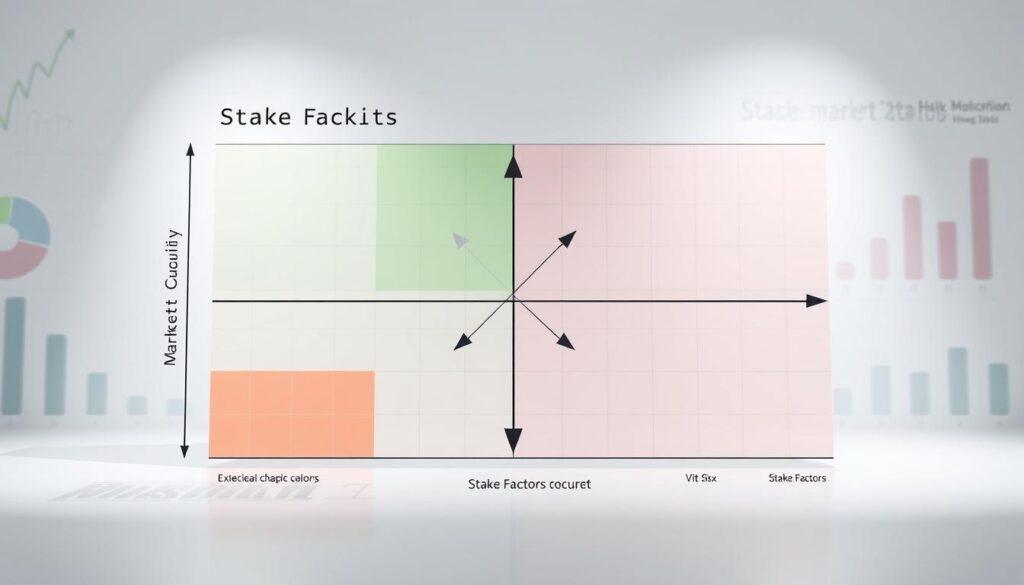
This is where we move from philosophy to a functional model. The goal is to create a dynamic, flexible matrix—think of it as the brain of your risk operation. It’s not about gut feelings; it’s about a quantitative framework.
Imagine a simple Excel model, a living document that crunches the numbers. You have axes: one for risk grade (calculated from deposit patterns, bet history, KYC data) and another for market quality (market maturity, regulatory stability, fraud history).
Let’s visualize a simple risk matrix:
| Risk Grade \ Market Tier | Tier 1 (Established, High-Value) | Tier 2 (Growth, Maturing) | Tier 3 (Emerging/Volatile) |
|---|---|---|---|
| Low Risk Player | High Limit | Medium-High Limit | Medium Limit |
| Medium Risk Player | Medium-High Limit | Medium Limit | Low Limit |
| High Risk Player | Medium-Low Limit | Low Limit | Minimal/No Limit |
This isn’t static. The real power, much like the VLOOKUP and HLOOKUP functions in a well-built Excel sheet, is in the dynamic lookup. You feed in a player’s profiling data—their risk grade and market tier—and the model returns a pre-calculated, appropriate stake. It’s a system that says, “Ah, a Tier 1 market player with a low-risk profile. High-limit table, right this way.”
This approach is the antithesis of a static, one-size-fits-all cap. It’s a living system that acknowledges a fundamental truth in the importance of risk models: not all revenue is created equal. You’re not just setting limits; you’re optimizing for sustainable, high-quality play. You’re moving from a blunt “no” to a nuanced “yes, but here’s your responsible playfield.” That’s the art of the stake.
Behavior-Based Dynamic Limits
Today, credit limits are not one-size-fits-all anymore. They change with each transaction. Old static limits are outdated, like a flip phone in today’s world. Now, we have dynamic limits that adjust based on profiling in real-time.
This new system is not just about setting a cap. It’s about creating a smart system that changes with each customer’s financial needs. It’s like a living, breathing system that understands each customer’s player limits and spending habits.

Imagine your bank adjusting your credit limit based on your current financial habits, not just your past. That’s what dynamic limits offer. It’s not just about avoiding risk. It’s about smart, responsive credit management that shows you understand a customer’s player limits and spending patterns.
From Static Caps to Dynamic Fences
Static credit limits are like old city walls. They’re rigid and can be easily bypassed. But dynamic limits are like modern, smart borders. They adapt, learn, and respond.
This shift is like moving from a hammer to a scalpel. The hammer is a static limit, either denying or allowing. The scalpel is the dynamic model, making small adjustments in real-time. It’s not just about raising or lowering limits. It’s about creating a profiling system that understands the context.
A customer who pays bills early might get a temporary limit increase for a big purchase. But another customer’s limit might decrease after a few high-risk transactions. This is the player limits system of the future.
| Aspect | Static Limits | Dynamic Limits |
|---|---|---|
| Responsiveness | Set-and-forget, rigid | Real-time, adaptive |
| Risk Assessment | Based on historical snapshot | Continuous, behavior-based profiling |
| Customer Experience | One-size-fits-all, frustrating | Personalized, flexible |
| Risk Management | Reactive, after-the-fact | Proactive, predictive |
The Algorithmic Watchdog
This is where the algorithmic watchdog comes in. It’s not a passive, static rule. It’s the sentinel that never sleeps, watching transactions like a hawk. It’s not just about catching obvious fraud. It’s about understanding the pattern of behavior that shows a change in a customer’s financial health or intent.
This is the art of modern profiling. It’s not about prying, but about precision. The system learns a customer’s baseline—their normal “beat.” A sudden, large purchase at a high-end electronics store might be a red flag for one customer, but perfectly normal for another. The dynamic limit adjusts, tightening for the first customer while leaving the second untouched. This is the “dynamic fence” in action: it’s not a single, rigid wall, but a series of smart, responsive barriers that move with the customer.
- Real-time Adjustment: Limits can expand for proven, reliable behavior and contract for unusual activity.
- Context-Aware: Recognizes the difference between a grocery run and a luxury purchase.
- Predictive Analysis: Uses historical data to anticipate needs and risks, adjusting player limits before the customer even asks.
The goal of behavior-based player limits isn’t to restrict, but to enable. It’s a sophisticated, responsive system that manages risk while giving customers the financial flexibility they’ve earned. It replaces the old, one-size-fits-all approach with a dynamic, intelligent, and fair system of credit. The old static caps are being fenced in by their smarter, more agile successors.
Communicating Limits Respectfully
In the world of customer relations, a poorly communicated limit can hurt trust. It’s like a 500 Internal Server Error for trust. Moving from dynamic, behavior-based models, the challenge is in how we deliver the news. Setting a limit is a technical task, but explaining it is a diplomatic one.
The Art of the “No” (or “Not That Much”)
The “no” is an art form, not a blunt tool. A poorly delivered limit can feel like a personal rejection. It’s about framing it right, not just saying “no.”
Think of it as explaining the rules, not just stopping something. A bouncer slamming a door is different from a maître d’ explaining a wait. Both manage capacity, but only one builds loyalty.
Transparency as a Policy
Spreadsheets meet philosophy in setting customer limits. Using tools like Excel helps create a clear, explainable model. This isn’t just about numbers; it’s about building trust.
Just as ethical data use balances privacy and, ethical limit-setting balances rules and respect. A clear policy is dynamic and understood by all stakeholders.
For VIPs, it’s about setting clear boundaries. This is like an API endpoint, as discussed in balancing privacy and profiling. A well-designed API handles requests smoothly, whether routine or high-stakes. Communicating limits to VIPs is similar: clear, consistent, and without crashing.
Intelligent profiling is key here. It’s not about a secret dossier, but about understanding customers. Profiling helps tailor communication, making limits feel personalized and fair.
The goal is to create a safe, sustainable environment. It’s about building clear paths, not just signs. The best operators make their guardrails so effective, they’re rarely tested.
VIP Risk Reviews with Finance/CRM
In the world of VIP management, quarterly risk reviews are critical. They’re like a high-stakes poker game where the house must decide when to raise limits and when to fold. Here, data and CRM notes tell stories that high-rollers might prefer to keep secret.
VIPs are like critical nodes in your system. If they fail, they can take down your entire risk portfolio. Your VIP risk reviews and profiling must make smart decisions. It’s not about saying no to big players; it’s about knowing when to increase limits and when to slow down.
The High-Stakes Table: When VIPs Come to Play
Managing VIPs requires a high-stakes table. Finance and CRM data come together here. Finance brings the numbers: how much they deposit, win, and lose. CRM adds the behavioral profile: are they on a winning streak or losing big?
This isn’t about guessing. It’s about building a risk matrix from data. Our analysis of high-stakes relationship management shows data should lead the way, not just intuition.
The art is in profiling. Is a VIP’s increased activity a sign of a new level of play or desperate gambling? CRM and finance data tell different parts of the story. The quarterly review is where these stories meet.
The Quarterly Risk Review: A Ritual of Reassessment
The quarterly VIP risk review is a serious ritual. It’s a deep dive into a VIP’s relationship with your organization. Every deposit, win, and service ticket is analyzed. The goal is to protect both the player and the house from toxic relationships.
We use a framework to score risk across various vectors. Knowing how and why a VIP spends is key. The table below shows the factors we analyze, turning guesses into numbers.
| Risk Factor | Low Risk Indicators | High Risk Indicators | Review Action |
|---|---|---|---|
| Deposit Behavior | Steady, sustainable deposits aligned with known income | Sudden, large, uncharacteristic deposits; chasing losses | Review deposit velocity & source of funds flags |
| Play Patterns | Consistent play, varied game types | Excessive time played, chasing losses, erratic bet sizing | Behavioral profiling and automated alerts |
| Credit & Payouts | Timely credit repayment, uses multiple funding methods | Frequent credit line increases, slow repayment, “kiting” funds | Tighten credit terms, require financial docs |
| CRM Flags | Positive service interactions, stable contact info | Frequent complaints, address/contact changes, self-exclusion requests | Enhanced due diligence, possible account review |
The table is more than a report card; it’s a diagnostic tool. A VIP risk review that flags high play but low CRM scores tells a story of a passionate player. But a calm player with erratic personal data might be synthetic or a money mule. This is where profiling becomes a science.
The final step is deciding: Increase limits, maintain, or restrict? Finance and CRM data must come together here. A VIP with high deposits but erratic play might get a cautious increase. A steady player requesting a big credit line gets a closer look. These reviews are not just about money; they’re about the long-term health of the VIP relationship. Done right, they protect the business and keep valuable players in the game.
Appeals and Audit
Every limit and decision is a data point. But what if the model makes a mistake? A good system learns from its errors. This is where appeals and audits come in.
The Right to an Appeal: Process and Philosophy
An appeal is not just a complaint. It’s a key feedback loop for your player limits strategy. It’s like a system check.
A denied high roller gets a process, not just a “no.” This is where the Excel model’s flexibility shines. An appeal is not just overridden by a manager; it’s a valuable data point. It checks if a stake factoring algorithm or a profiling flag was wrong.
The appeal is the human and systematic check. It allows for real-time adjustments. It’s the system’s way of saying, “Prove me wrong, and I’ll get smarter.” This shows the system’s sophistication and ability to learn.
The Audit Trail: Your Paper Trail to the Truth
Every limit set, appeal logged, and adjustment made is part of your audit trail. This is your permanent log file. It’s not just for regulators, as Nevada Gaming Commission regulations on licensee conduct and audit trails show.
This trail is your first defense. It shows your reasoning for every decision and your response to appeals. It proves your process is fair and documented.
In the end, a limit is more than a number. It’s a decision, a conversation, and a log entry. The philosophy of a limit is strong because of the appeal and audit trail.