

Imagine running a business in an $83 billion industry that’s growing 10% every year. Not having a good risk assessment is like playing Russian roulette with your money.
Some operators thought they could get by without planning. They’re the ones who believed Blockbuster would come back after Netflix. The truth is, risk models are essential, not just nice to have.
They help you make smart bets that attract customers and keep your business profitable. It’s all about finding the right balance.
It’s like knowing when to stop serving drinks before someone starts singing karaoke. This skill needs advanced model risk management frameworks that many operators overlook until it’s too late.
In today’s market, taking risks without a plan is not just unwise. It’s financial disaster masquerading as intuition.
Building Comprehensive Models
Think of modeling like guessing who will live in the next Avengers movie. But this time, it’s with real money. The difference between a novice and a pro is huge, like a flip phone versus Tony Stark’s J.A.R.V.I.S.
Elite models use advanced algorithms. These aren’t simple spreadsheets. They handle thousands of data points quickly.
What makes pros different? They adapt quickly. Top models watch betting patterns closely. They adjust odds fast, like a hawk.
“The market is a pendulum that forever swings between unsustainable optimism and unjustified pessimatism. The intelligent investor is a realist who sells to optimists and buys from pessimists.”
Hedging is key for success. It’s like financial insurance. You aim to manage risk, not win every bet.
Good models use many data sources:
- Team and player stats
- Historical trends
- Weather and environment
- Market sentiment
- Injury reports
When these elements mix, magic happens. A rainstorm changes a baseball game? The model adjusts. A star player gets hurt? Odds change before you notice.
Effective modeling balances many goals. It’s not just about winning. It’s about managing risk across the board.
| Modeling Component | Amateur Approach | Professional Implementation |
|---|---|---|
| Data Integration | Manual data entry | API-driven real-time feeds |
| Odds Adjustment | Static pricing | Dynamic algorithm-based updates |
| Risk Management | Gut feeling | Mathematical hedging strategies |
| Pattern Recognition | Basic trend spotting | Machine learning algorithms |
Creating a model is not about one formula. It’s about a system where parts work together. Each piece supports the others, making something greater.
Top models also understand human psychology. They know markets are driven by emotions, hype, and sometimes delusion. This human insight makes them stand out.
For those serious about this field, learning about risk modeling is key. The field changes fast, and staying ahead means constant learning.
The goal is not to be perfect. It’s to build a system that beats the market, manages risk well, and adapts. In sports modeling, staying the same is moving backward.
Incorporating Statistical Tools
If you’re not using statistical tools in today’s betting world, you’re taking a big risk. Old-school operators might rely on gut feelings. But, the smart ones use predictive analytics to analyze data quickly.
Modern predictive analytics platforms can handle millions of data points fast. They’re not just simple calculators. They’re like crystal balls, early warning systems, and strategic advisors all in one.
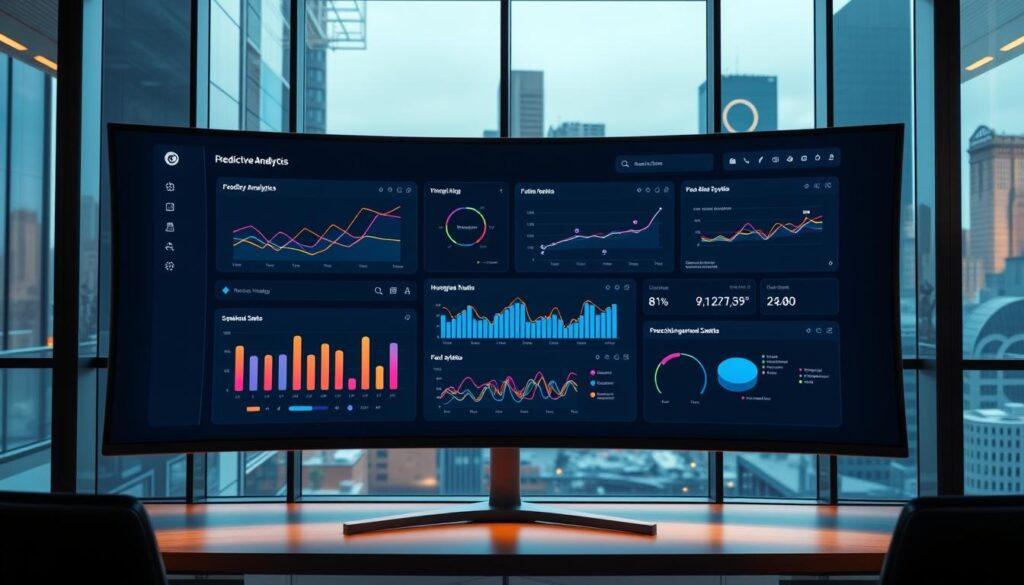
The magic happens when AI meets risk management. These systems don’t just react to problems. They anticipate them. They catch suspicious betting patterns and arbitrage opportunities before anyone else does.
These tools change how you operate from reactive to proactive:
| Traditional Approach | Statistical Tools Approach | Impact Difference |
|---|---|---|
| Manual pattern recognition | AI-driven anomaly detection | Spots threats 87% faster |
| Historical data analysis | Real-time predictive modeling | Reduces false positives by 63% |
| Reactive fraud response | Proactive risk prevention | Cuts losses by 42% annually |
| Static odds setting | Dynamic price optimization | Increases margin by 28% |
The beauty of these statistical tools is not just protection. It’s creating opportunities. They find value where others see noise. They turn data into dollars while others struggle with spreadsheets.
Modern predictive analytics platforms give you financial foresight. It’s like having a sixth sense for risk and reward. But, this one’s based on math, not just wishful thinking.
The transition might seem tough, but the alternative is losing out. You could become the Blockbuster of betting while others become Netflix. It’s your choice.
Best Practices from Leading Analysts
Watching top-tier risk analysts work is like observing a grandmaster chess player. They think ten moves ahead while making it look effortless. Their secret? They’ve turned risk assessment into an art form, not just a compliance checkbox.
These professionals don’t just run quarterly scans and call it a day. They’ve built continuous monitoring systems that would make NASA’s mission control jealous. The real magic happens in how they integrate human intelligence with technological tools.

Employee training programs at these elite firms aren’t your typical “don’t click phishing emails” seminars. They’re creating risk-detection ninjas who can spot vulnerabilities before they become crises. One analyst told me they use gamification – turning threat identification into a competition with actual prizes.
Their incident response plans have more layers than a Christopher Nolan film. I’ve seen playbooks that account for everything from ransomware attacks to what happens if the office building gets hit by a meteor. That’s what risk assessment looks like in practice.
“The difference between good and great risk management isn’t the technology – it’s the culture. You can buy the best tools money can buy, but if your team doesn’t breathe risk awareness, you’re just decorating a burning building.”
Vendor management gets particular attention from these masters. They treat third-party relationships like prenups – hoping for the best but planning for the worst. Their vendor risk assessment protocols include:
- Regular security audits that would make IRS investigators blush
- Financial stability checks more thorough than a mortgage application
- Contingency plans for when vendors inevitably drop the ball
The smartest operators I’ve observed collaborate with external experts like they’re assembling the Avengers. They know when to call in specialists who’ve seen every possible scenario. This isn’t admitting weakness – it’s strategic wisdom.
| Approach | Traditional Firms | Leading Analysts | Impact Difference |
|---|---|---|---|
| Assessment Frequency | Quarterly | Real-time + scheduled | 67% faster threat detection |
| Employee Training | Annual seminars | Continuous gamified learning | 3x engagement rates |
| Vendor Vetting | Basic compliance checks | Multi-layered security audits | 89% fewer third-party incidents |
| Incident Response | Generic playbooks | Scenario-specific protocols | 54% faster resolution times |
What separates the pros from the amateurs? They treat risk assessment as a living process, not a static document. Their models evolve faster than TikTok trends, adapting to new threats before most companies know they exist.
The cultural component might be the most overlooked aspect. These teams have created environments where speaking up about possible risks is rewarded, not punished. They’ve eliminated the “shoot the messenger” mentality that plagues so many organizations.
Their secret sauce? They measure everything. Every risk assessment process gets scored, analyzed, and optimized. They’re not just checking boxes – they’re constantly seeking better ways to protect their organizations.
Ultimately, the best practices come down to mindset. Top analysts don’t see risk management as a cost center – they view it as a competitive advantage. In today’s landscape, that perspective might be the most valuable asset of all.
Continuous Improvement of Models
Risk modeling is not a one-time task. It’s like a never-ending chess game where the pieces change. The top operators see their models as living things that need constant care.
Regular reviews turn static models into dynamic defenses. It’s not just about building a wall. It’s about creating a system that learns from every interaction. This keeps your risk management up-to-date.
New data and algorithm updates drive this growth. It’s like giving your models superpowers. The tech can spot threats before they happen. Smart operators use these tools to stay ahead.
Responsible gambling practices also benefit from this approach. It’s not just about catching fraud. It’s about making safer spaces while keeping profits up. These goals can work together.
The key is to see risk modeling as an ongoing conversation. Listen to your data. Learn from successes and failures. In this field, staying the same means falling behind. Your models should get smarter every day.